Private Jet Access
Teterboro → Tokyo
Intercontinental precision, endurance, and complete discretion. Structured for the most demanding global itineraries.
Direct Intercontinental Access from New York to Tokyo
Private jet flights from Teterboro Airport to Tokyo represent one of the longest and most operationally complex global routes—linking the New York metropolitan area with Japan’s primary international gateway.
Flights are typically coordinated using ultra-long-range aircraft capable of intercontinental endurance, with routing optimized based on payload, winds, and seasonal conditions.
Teterboro (TEB)
Haneda (HND) / Narita (NRT)
13–16+ Hours
Ultra-Long-Range
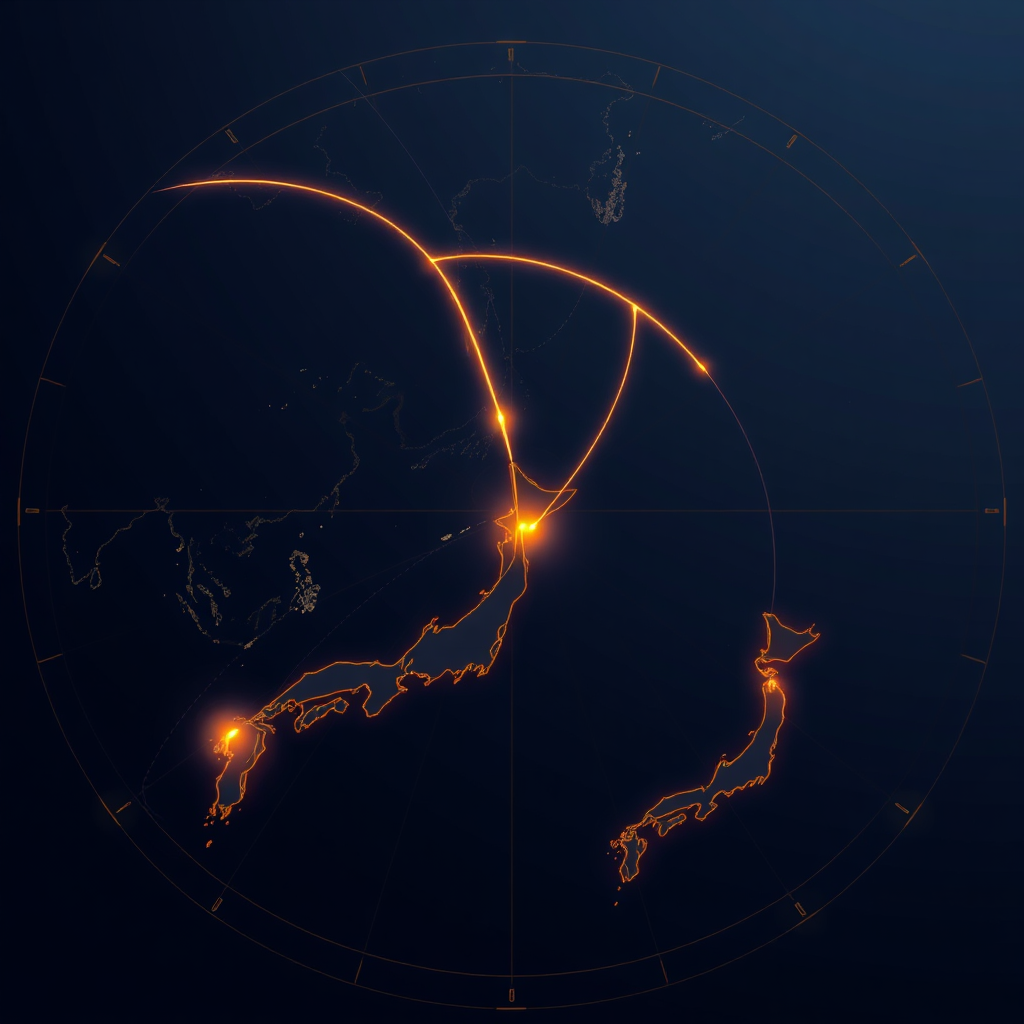
Intercontinental Travel Without Interruption
This route is structured for extended-duration flight, requiring aircraft with full cabin capability for long-haul endurance and passenger comfort. Experience a seamless transition between continents.

Dedicated Resting Quarters
Fully private cabins with lie-flat configurations designed for deep rest during 15-hour crossings.

Bespoke Long-Haul Dining
Multi-course service tailored for transpacific journeys, supported by dedicated long-haul crew expertise.

High-Altitude Serenity
Optimized cabin pressurization and noise reduction technologies for arrival at peak performance.
Typical Investment Range
Intercontinental private aviation reflects aircraft capability, routing complexity, and global operational coordination. Each mission is individually costed based on specific requirements.
$180,000 – $350,000+
Final coordination reflects aircraft positioning, routing,
crew duty limits, and international handling.

Non-Stop vs Technical Routing
While many ultra-long-range aircraft can complete this route non-stop under optimal conditions, certain missions may include a technical fuel stop depending on specific variables.
- Wind patterns and jet stream impact (Headwinds vs Tailwinds)
- Passenger load and heavy luggage requirements
- Seasonal atmospheric conditions in the North Pacific
Potential technical stops may occur in regions such as Alaska or Northern Pacific corridors when operational safety or payload requires optimization.
Transpacific Travel Patterns
Demand for the Teterboro-Tokyo route is influenced by global business cycles and major seasonal events between the U.S. and Japan.

March – April
Business & Cultural Peaks

October – November
Global Availability Tightens

Dec – January
Limited availability for non-stop platforms
Strategic Insight
Early coordination is required for transpacific windows to secure primary fleet options.
Integrated Global Itineraries
Tokyo → Teterboro
Return Coordination
TEB → Tokyo → Singapore
Pan-Asian Itinerary
TEB → LAX → Tokyo
West Coast Link
Tokyo → Aspen via TEB
Transcontinental Access
A Discreet Global Aviation Coordination Layer
This platform operates as a private access layer—not a public aircraft marketplace. We provide a tailored, human-led approach to global travel.
Discreet Coordination
No exposed aircraft listings or public inventory. Every flight is managed with complete privacy for high-profile principals.
Global Reach
Solutions sourced through a vetted network of premier global operators across three continents.
Intercontinental Precision
Specialized in the operational complexity of transpacific, ultra-long-range missions.

Coordinating Your Intercontinental Flight
A structured four-step process to secure global transit.
Initial Request
Submit your preferred route, passenger count, and travel window for evaluation.
Global Evaluation
Aircraft availability is assessed against the international operator network in real-time.
Tailored Proposals
Primary long-range solutions are presented with clear operational specifications.
Operational Finality
Coordination is finalized through the operator network with all handling pre-arranged.



Frequently Asked Questions
Can I fly direct from Teterboro to Tokyo?
Yes, ultra-long-range aircraft such as the Global 7500 or Gulfstream G650ER can typically operate this route non-stop under optimal conditions, though some missions may require a technical stop based on wind or payload.
How long is the flight?
Approximately 13 to 16+ hours depending on routing, winds, and aircraft type. Westward journeys into headwinds typically take longer than eastward returns.
Which Tokyo airport is used?
Most private flights arrive at Haneda (HND) for its proximity to central Tokyo or Narita (NRT) depending on slot availability and international operational coordination.
Is a fuel stop required?
Not always. This depends on aircraft performance, passenger/luggage weight, and seasonal weather patterns. If required, stops are handled discreetly at high-efficiency FBOs.
Is pricing fixed?
No. Aircraft availability, routing complexity, positioning legs (ferry flights), and global demand cycles influence final coordination costs.
Explore Other Long-Range Routes from Teterboro
Request Discreet Aircraft Availability
Provide your preferred travel dates and routing. Available ultra-long-range aircraft options are presented based on real-time global positioning.
Confidential coordination • Response within 60 minutes